

How to Tell Why Traditional Black Licorice Is Unique
Last Updated: November 2, 2026
Quick Summary
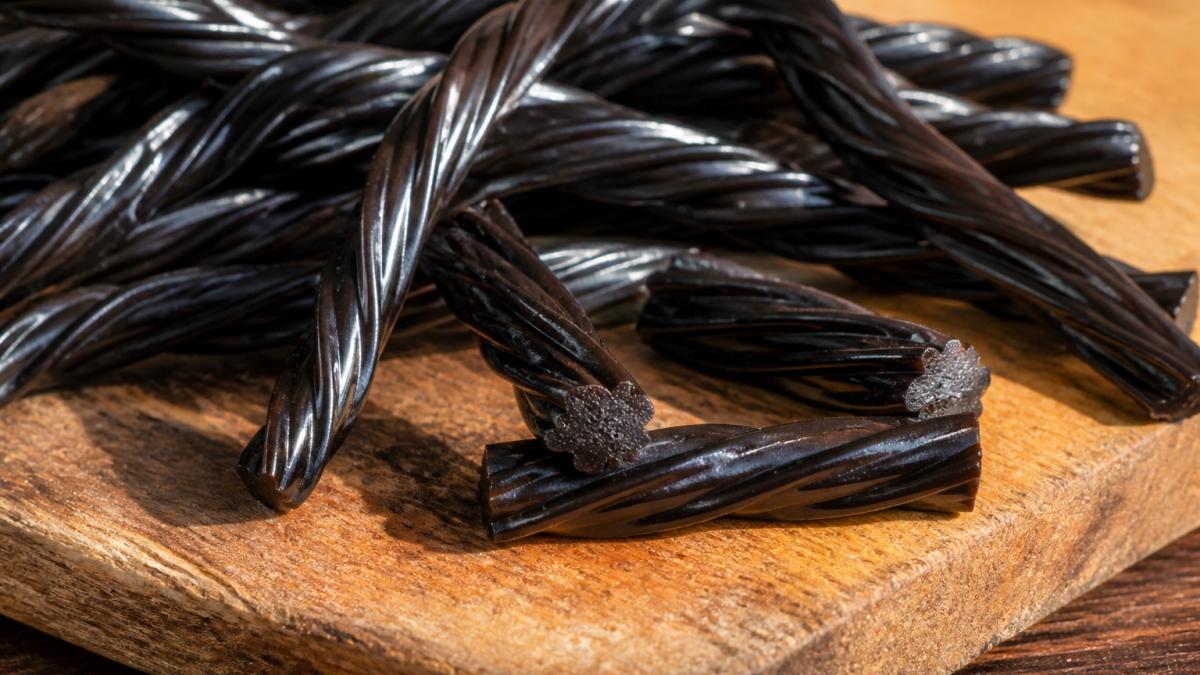
Traditional black licorice is unique because its flavor comes from licorice root extract, not the anise oil used in many mass-market candies. The root's glycyrrhizin is roughly 50 times sweeter than cane sugar, giving real black licorice a woody, faintly bitter character that lingers.
- Anise is a seed and licorice is a root, so the two plants differ.
- Red licorice contains no licorice root at all, just flour, sugar and flavoring.
- Glycyrrhizic acid can cause swelling, raise blood pressure and deplete potassium.
- People on blood pressure medication, with heart or kidney concerns, or who are pregnant should check with a doctor first.
- Hey Licorice Dude's Classic Black Dude is a traditional black licorice priced at $8.00.
Table of Contents
- What Makes Traditional Black Licorice So Different
- What Gives Black Licorice Its Flavor
- Traditional Black Licorice Ingredients and How It's Made
- What Does Black Licorice Taste Like?
- Black Licorice vs Red Licorice: Two Very Different Candies
- European and Nordic Licorice Traditions
- Glycyrrhizin Safety: How Much Black Licorice Is Too Much
- Finding Genuine Black Licorice Worth Buying
- Frequently Asked Questions
What Makes Traditional Black Licorice So Different
Traditional black licorice is unique because its flavor comes from licorice root extract, a botanical ingredient most candy never touches. Glycyrrhizin, the compound behind that flavor, is roughly 50 times sweeter than cane sugar, according to the American Heart Association's guidance on black licorice. That single fact explains a lot: why a small piece goes a long way, why the taste lingers, and why black licorice sits apart from every fruit candy on the shelf.
At Hey Licorice Dude, we hear the same story from customers again and again. Someone remembers a grandfather's candy dish or a road-trip stop, tries a modern "black licorice" candy, and wonders what went wrong. Usually, nothing was wrong with their memory. The candy changed.
Some mass-market black licorice skips the root and leans on anise oil for flavor. Anise delivers a similar aromatic punch, but it fades faster and lacks the woody, slightly bitter undertone real licorice root brings. That difference is the whole ballgame.
What Gives Black Licorice Its Flavor
Licorice root extract supplies the distinctive flavor in genuine black licorice. The root contains glycyrrhizin, a natural sweetener that carries an herbal, faintly medicinal character no lab-made flavor matches exactly.
Here is the part most candy fans never learn: anise and licorice are different plants. Anise is a seed; licorice is a root. Both contain anethole-like aroma compounds, which is why noses confuse them, but the tongue rarely does.
That is why so many people who "hate black licorice" actually hate anise candy they were told was licorice. Give them the real thing and the reaction often flips.
Traditional Black Licorice Ingredients and How It's Made
Traditional black licorice is typically made with a starch or flour binder, a sweetener, and licorice root extract, with the root extract doing the heavy flavor lifting.
Production is closer to baking than to candy-making. Once you have a batch on hand, our guide on how to store licorice to stay fresh and chewy covers keeping it at its best.
What Does Black Licorice Taste Like?
Black licorice tastes sweet first, then herbal, then faintly bitter on the finish. The sweetness arrives slower than sugar because glycyrrhizin registers differently on the tongue. Expect notes of anise, fennel, and molasses, with a woody edge underneath and a cooling sensation at the end.
For a first-timer, the honest advice is this: start with a small piece and let it sit. The flavor unfolds over a minute or two. Most people who dislike licorice judged it after three seconds.
Black Licorice vs Red Licorice: Two Very Different Candies
Black licorice and red licorice share a shape and almost nothing else. Red licorice contains no licorice root at all. It is a fruit-flavored chew built on flour, sugar, and flavoring, and its "licorice" label is a shape descriptor, not an ingredient claim.
Black licorice, done traditionally, is a botanical candy. That distinction drives everything: the taste, the texture, even the way you eat it. Red licorice is a snack you crush by the handful. Real black licorice is a candy you savor one piece at a time.
If you want the full breakdown of how these two candies diverged, our article on black vs fruit licorice digs into the history and the ingredient lists side by side.
European and Nordic Licorice Traditions
This is where American nostalgia and European tradition meet. If your memory of black licorice is bold and complex rather than sweet and mild, the European approach is probably what you are chasing. The broader licorice candy market reflects that staying power: Future Market Insights' 2026 forecast projects growth from USD 1.6 billion in 2026 to USD 2.5 billion by 2036.
Glycyrrhizin Safety: How Much Black Licorice Is Too Much
Glycyrrhizin safety is the one topic every licorice lover should understand. Glycyrrhizic acid can cause swelling, raise blood pressure, and deplete potassium, according to Rutgers University's explanation of black licorice effects. The American Heart Association warns that traditional black licorice can affect potassium levels and lead to serious cardiac consequences.
The practical guidance is simple. If you take blood pressure medication, have heart or kidney concerns, or are pregnant, talk to your doctor before making it a regular snack.
| Question | Short Answer | Why It Matters |
|---|---|---|
| How much is too much? | Keep portions small; avoid daily large amounts | Glycyrrhizin accumulates with repeated intake |
| Who should be cautious? | People on blood pressure medication, heart or kidney concerns, pregnant readers | Check with a doctor first |
| Does anise candy carry the same warning? | No | Anise contains no glycyrrhizin |
| Is one piece a problem? | No | Risk comes from large, repeated amounts |
Finding Genuine Black Licorice Worth Buying
Our guide on finding fresh licorice online covers what to check before you buy.
We built Hey Licorice Dude for exactly this hunt. Our Classic Black Dude is a traditional black licorice, priced at $8.00, and our Flavor of the Month option lets you explore beyond black.

Frequently Asked Questions
What gives black licorice its unique flavor?
The flavor comes from glycyrrhizin, a compound found in licorice root extract. It carries a woody, herbal, slightly bitter edge that sugar alone can't copy. Many mass-market black candies skip the root entirely and use anise oil instead, which tastes similar but comes from a different plant. If you want the real thing, check the ingredient list for licorice root extract rather than anise.
What does black licorice taste like to a first-timer?
Expect a strong herbal flavor with woody and mildly bitter notes, a slow-building sweetness, and a chewy texture from the starch or flour binder. It is not a fruity or creamy candy, so the first bite can surprise people who grew up on sweeter treats.
Is black licorice made from real licorice root?
Not always. Genuine traditional black licorice uses licorice root extract, while many inexpensive black candies rely on anise oil for a similar taste. The label tells you which one you have: look for licorice root extract, glycyrrhizin, or licorice extract in the ingredients. If anise is the only flavoring listed, you are eating an anise-flavored candy, not true licorice-root candy. Both can be enjoyable, but only one delivers the traditional herbal flavor.
How does black licorice compare to red licorice?
They share a shape and a chewy bite, but little else. Traditional black licorice gets its flavor from licorice root extract. If you dislike the herbal intensity of black licorice, red and fruit-flavored varieties are a gentler starting point before you try the classic.
Black licorice rewards patience. The first bite is sweet, the second is herbal, and by the third you understand why this candy has survived for centuries while flashier treats came and went. If you are ready to taste the real thing, start with our Classic Black Dude and see how it compares to the memory you have been chasing. Browse the full selection at Hey Licorice Dude, try the Flavor of the Month, and find your next favorite.
